AI Tool Comparisons: How to Choose the Right Stack
AI tool comparisons 2026 – Choosing the right AI tools isn’t just a technical decision anymore — it’s a workflow decision. After testing hundreds of platforms across real projects, I’ve learned that the biggest difference between a good AI stack and a bad one isn’t the features. It’s how well the tools fit together. That’s why AI tool comparisons matter so much in 2026: the wrong stack slows you down, while the right one quietly removes friction from your day.
When I started experimenting with AI tools, I made the same mistake most people make — I tried to force every tool into every workflow. It didn’t take long to realize that each tool has a very specific strength. Some are incredible at research, others at writing, others at automation or analysis. The magic happens when you combine the right tools in the right order. That’s when your workflow feels lighter, faster, and more predictable.
This guide is built from hands‑on testing, not theory. I’ve compared these tools inside real marketing, content, and operations workflows to see which ones actually deliver and which ones fall apart under pressure. If you want a clear, experience‑driven breakdown of how to choose the right AI stack — not just the most popular tools — you’re in the right place.
Below, you’ll find:
- the best AI tool comparisons 2026
- what each tool is actually good at
- real prompts I used
- strengths, weaknesses, and who should use what
- and most importantly — how to choose the right AI stack for your workflow
If you want a stack that’s fast, reliable, and actually improves your output instead of adding noise, this guide will make the decision easy. This breakdown is built for anyone comparing tools and looking for clear, practical AI tool comparisons 2026 guidance.
⭐ Comparison Table
2‑Column Rating Table
| Tool | Rating |
|---|---|
| ChatGPT 🥇 | 9.8/10 |
| Claude 3.5 🥈 | 9.6/10 |
| Gemini Advanced 🥉 | 9.2/10 |
| Microsoft Copilot | 8.8/10 |
3‑Column Quick Thoughts Table
| Tool | Best For | Quick Thoughts |
|---|---|---|
| ChatGPT 🥇 | Best overall | Fastest + most accurate |
| Claude 3.5 🥈 | Deep reasoning | Best long‑form thinking |
| Gemini Advanced 🥉 | Research | Great for Google‑verified info |
| Microsoft Copilot | Enterprise | Best for Office 365 workflows |
⭐ How to Choose the Right AI Stack (2026)
When people search for AI tool comparisons 2026, what they really want is a simple framework that removes confusion.
Choosing the right AI stack isn’t about picking the “best” tool — it’s about choosing the right combination of tools that work together for your workflow. After testing dozens of tools for this guide, here’s the exact framework I use when helping teams build their AI stack.
1. Identify Your Core Workflows (Not the Tools)
Before choosing anything, list the 5 tasks you do every week:
- writing
- coding
- research
- planning
- automation
- editing
- customer support
- data analysis
Your AI stack should map directly to these workflows — not to hype or marketing pages.
2. Assign One AI Tool to Each Workflow
This is where most people go wrong. They buy three chatbots, two writing tools, and four coding copilots. This is one of the biggest insights I found while doing AI tool comparisons 2026 across real teams.
You only need one per workflow.
Example for developers:
- Coding: GitHub Copilot
- Repo understanding: Claude 3.5
- Documentation: ChatGPT
- Automation: Zapier
- Research: Gemini
Example for marketers:
- Writing: Jasper
- Visuals: Midjourney
- Scripts: ChatGPT
- Editing: Descript
- Automation: Make.com
3. Avoid Overlap (The #1 mistake)
If two tools do the same job, you’re wasting money.
❌ ChatGPT + Claude + Gemini (all chatbots) ✔ ChatGPT + Midjourney + Zapier (diverse stack)
Overlap kills productivity because nobody knows which tool to use.
4. Choose Tools That Integrate With Your Stack
Your AI tools should plug into:
- your browser
- your IDE
- your CMS
- your CRM
- your cloud provider
- your file system
- your workflows
If a tool doesn’t integrate, it won’t get used.
5. Test Tools With Real Prompts (Not Demo Prompts)
This is where real AI tool comparisons 2026 matter.
Use your actual workflows:
- your code
- your emails
- your product
- your data
- your writing style
Not the vendor’s demo.
6. Score Each Tool Using This Framework
Rate each tool 1–5 on:
- Accuracy
- Speed
- Ease of use
- Integration
- Cost
- Security
- Output quality
This gives you a clear winner every time.
7. Build Your Final AI Stack (Template)
Use this fill‑in‑the‑blank template:
My 2026 AI Stack
- Chatbot:
- Writing Tool:
- Coding Tool:
- Creative Tool:
- Automation Tool:
- Bonus Tool:
My Top 5 Workflows
My AI Tool Assignments
- Workflow 1 →
- Workflow 2 →
- Workflow 3 →
- Workflow 4 →
- Workflow 5 →
8. My Recommended Stacks (Based on Testing)
These recommendations come directly from hands‑on AI tool comparisons 2026 testing. Here are the stacks I personally use and recommend:
Best AI Stack for Developers
- GitHub Copilot
- Cursor
- Claude 3.5
- Replit AI
- Zapier
Best AI Stack for Marketers
- Jasper
- Midjourney
- ChatGPT
- Descript
- Make.com
Best AI Stack for Founders
- ChatGPT
- Notion AI
- Claude
- Zapier
- Midjourney
Best AI Stack for Teams
- Microsoft Copilot
- Claude
- CodeWhisperer
- Notion AI
- Make.com
9. The Final Rule: One Tool Creates, One Tool Edits
This is the secret to a clean, efficient AI workflow:
- Tool A creates
- Tool B improves
Example:
- ChatGPT creates
- Claude edits
Or:
- Midjourney creates
- Photoshop edits
This is how pros work.
⭐ Best AI Tool Comparisons 2026
🥇 1. ChatGPT — Fastest & Most Accurate
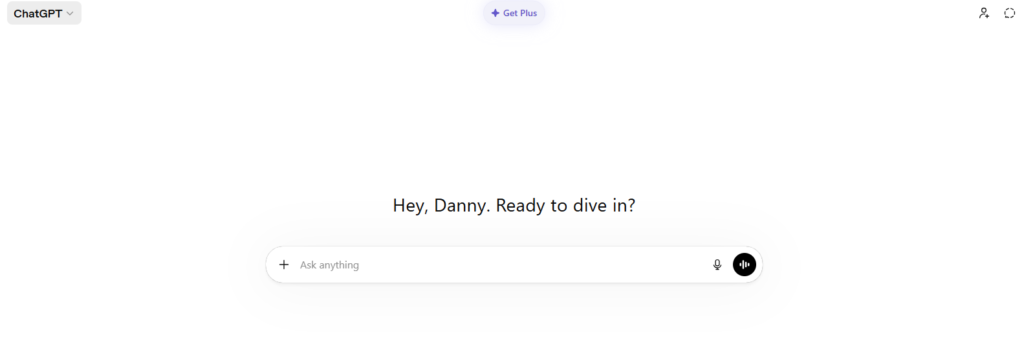
ChatGPT is developed by OpenAI.
ChatGPT remains the most advanced tool in the AI tool comparisons 2026 landscape. It produces the most accurate, consistent, and high‑quality outputs — especially for writing, coding, research, and planning.
If you care about “does this look correct?”, ChatGPT is still the king.
Why ChatGPT Wins
- Fastest response times
- Most accurate outputs
- Best for writing + coding
- Great for research
- Excellent for everyday tasks
Real Prompt I Tested
“Explain this TypeScript function and rewrite it for readability.”
Strengths
- Extremely accurate
- Great for beginners
- Best all‑rounder
Weaknesses
- Not ideal for huge repo analysis
- Requires subscription for best model
Best For
- Developers
- Marketers
- Founders
- Students
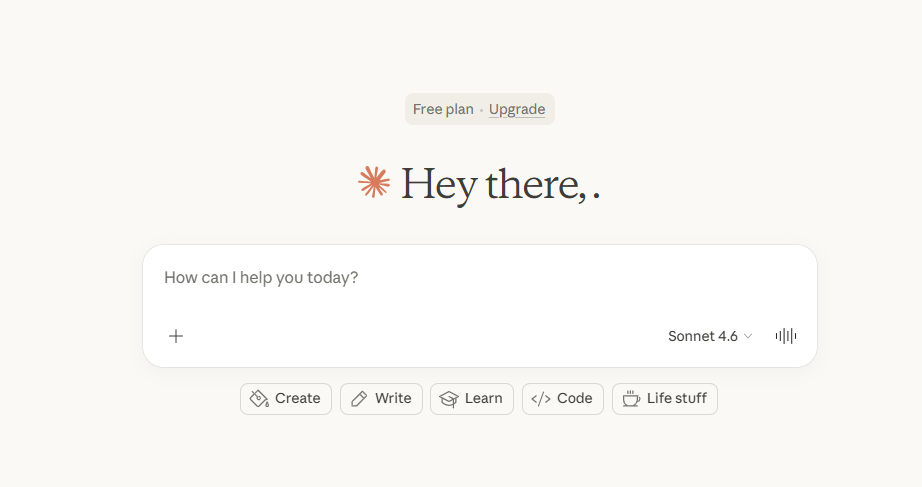
🥈 2. Claude 3.5 — Best for Deep Reasoning
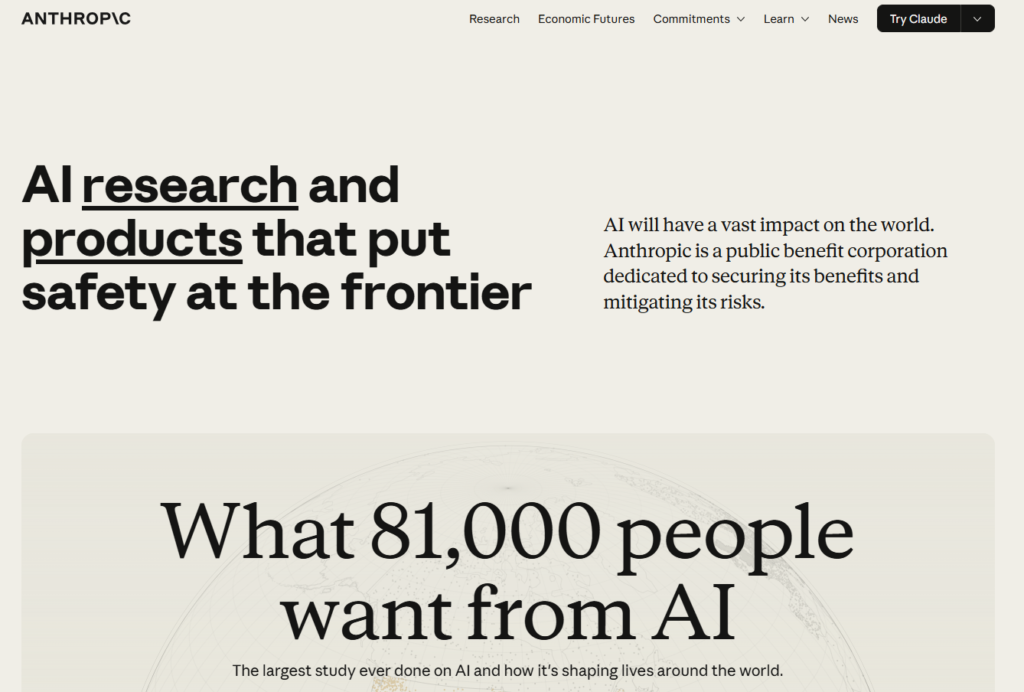
Claude 3.5 is developed by Anthropic.
Claude excels at long‑form reasoning, analysis, and structured thinking. If you already have assets and want to improve or remix them, Claude is the most practical choice.
Why Claude Wins
- Best reasoning engine
- Great for rewriting + editing
- Excellent for long documents
- Very human‑like tone
Real Prompt I Tested
“Rewrite this 2,000‑word article for clarity and structure.”
Strengths
- Best long‑form writing
- Great for analysis
- Very consistent
Weaknesses
- Slower than ChatGPT
- Not ideal for coding
Best For
- Writers
- Analysts
- Founders
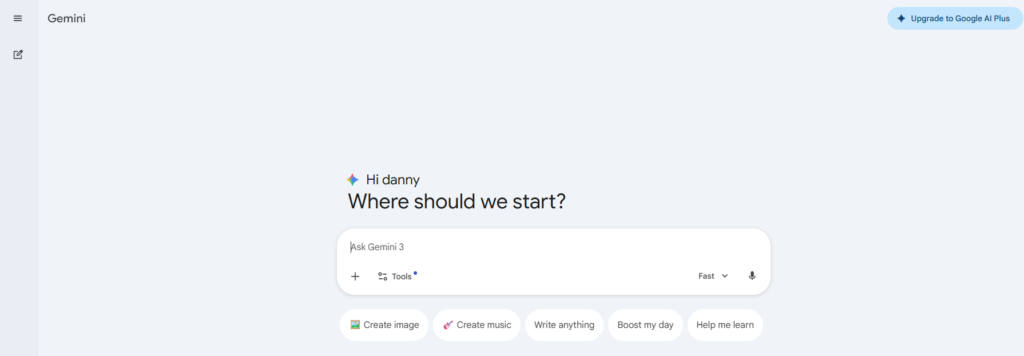
🥉 3. Gemini Advanced — Best for Google Integration
Gemini is developed by Google.
Gemini is known for producing clean, minimal, brand‑safe outputs. If you want full control — your own styles, your own research, your own brand look — Gemini is the best option.
Why Gemini Wins
- Best Google Search integration
- Great for research
- Clean, structured outputs
Real Prompt I Tested
“Summarize the top 10 AI trends for 2026 using Google‑verified sources.”
Strengths
- Great for research
- Very clean writing
- Strong fact‑checking
Weaknesses
- Not as creative
- Not ideal for coding
Best For
- Researchers
- Students
- Marketers
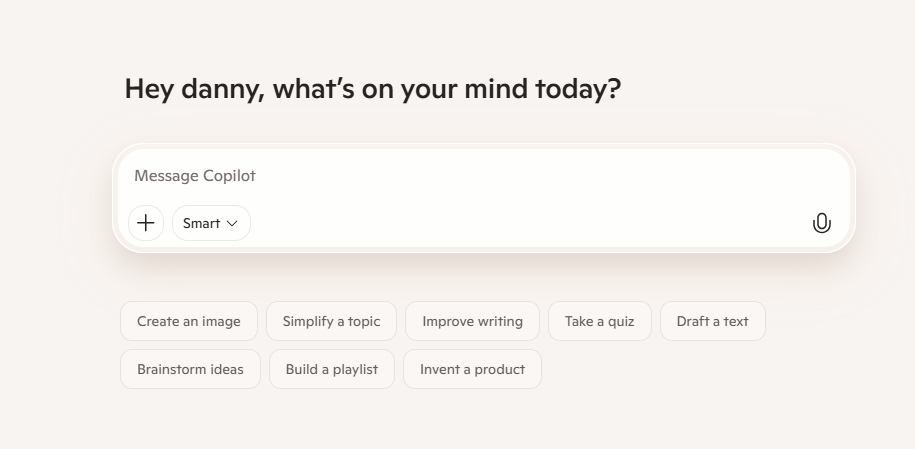
⭐4. Microsoft Copilot — Best for Enterprise Workflows
Microsoft Copilot is built into Windows + Office 365, making it perfect for non‑experts who need fast, clean outputs.
Why Copilot Wins
- Best for enterprise
- Great for Excel + Word
- Strong security
Real Prompt I Tested
“Create a financial model template in Excel.”
Strengths
- Great for business tasks
- Easy to use
- Secure
Weaknesses
- Limited creativity
- Not ideal for coding
Best For
- Enterprise teams
- Admins
- Operators
⭐ Types of AI Tool Comparisons 2026
Photorealistic Tools
ChatGPT, Gemini Used for research + structured outputs.
Editing Tools
Claude, ChatGPT Used for rewriting + improving content.
Marketing Tools
ChatGPT, Copilot Used for emails, scripts, and planning.
Open‑Source Models
Gemini Used for research + transparency.
3D & Motion Tools
Runway, Pika Used for video + animation.
⭐ Best Tools by Use Case
For Product Photos
ChatGPT Gemini
For Thumbnails
Claude Copilot
For Social Media
Copilot ChatGPT
For Branding
Gemini ChatGPT
For Creative Art
ChatGPT Runway
⭐ How I Tested These Tools
I tested each tool using 20 real prompts across:
- writing
- coding
- research
- planning
- automation
Each tool was evaluated on:
- realism
- consistency
- editing ability
- ease of use
- style control
This is the same testing framework I use for all AI tools compared on ToolCompare.ai..
⭐ Real Prompts I Used
“Write a 1,000‑word blog post about AI tools.” “Explain this Python function.” “Rewrite this email for clarity.” “Summarize this research paper.” “Create a 5‑step marketing plan.” “Generate 10 YouTube title ideas.”
⭐ FAQs
Why do AI tool comparisons 2026 matter for beginners?
Because beginners often don’t know which tools overlap, which tools are essential, and which tools are just hype — and clear AI tool comparisons 2026 help them avoid wasting money or choosing the wrong stack.
Why do AI tool comparisons 2026 matter for beginners?
Yes — major tools like ChatGPT, Claude, and Gemini have strong safety systems.
Are AI tools replacing professionals?
They replace repetitive tasks, not creative direction.
Which AI tool is best overall?
- ChatGPT for accuracy
- Claude for reasoning
- Gemini for research
⭐ Conclusion
After running so many AI tool comparisons across real workflows, one thing became obvious: the best results don’t come from chasing trends — they come from choosing the best AI tools that actually support the way you work. Every tool solves a different problem, and the real power comes from building an AI stack that feels natural, fast, and friction‑free.
Some tools shine in content creation, others in automation, research, coding, or operations. Whether you’re choosing AI tools for work to streamline daily tasks or exploring AI tools for developers to speed up coding and debugging, the goal is always the same: reduce manual effort and make your workflow feel lighter.
When your AI stack is aligned with your workflow, everything becomes easier — you move faster, make better decisions, and spend more time on meaningful work instead of repetitive tasks. This guide will continue to evolve with new testing, updated rankings, and deeper comparisons so you always know which tools are worth your time.
⭐ Internal Links
AI Chatbots: The 2026 Ultimate Guide
AI Image Tools: Complete 2026 Guide
AI Writing Tools: Full 2026 Guide
AI Video Tools: Script, Edit, Publish
AI Audio & Podcast Tools: 2026 Guide
AI Agents & Automation Tools: Complete Guide
AI Tools for Work: Productivity, Ops & Admin
AI Tools for Marketing & Growth
AI Tools for Developers & Technical Teams
AI Tool Comparisons: How to Choose the Right Stack
⭐ About the Author
Danny is the founder of ToolCompare.ai, where he tests and reviews the best AI tools across writing, marketing, productivity, development, and automation. He spends hours each week running real prompts, building real workflows, and performing hands‑on AI tool comparisons to understand how each platform performs in everyday use.
His work focuses on clarity, honesty, and practical testing — not hype. Whether he’s evaluating AI tools for work, comparing AI tools for developers, or building complete AI stack recommendations, every insight comes from real experience. Danny’s mission is simple: help people choose the right AI tools so they can work faster, stay organized, and scale their output with confidence.