Best AI Tools for Sales Teams
I didn’t plan on spending half my career testing AI tools for sales teams. It just sort of happened after one awful quarter where nothing made sense. I remember sitting at my desk late one night, staring at a CRM that felt like it actively hated me. Deals were slipping, follow‑ups were buried, and I caught myself thinking, “How do sales teams survive this chaos without help?” That moment pushed me into the rabbit hole of best AI sales software — not because it was trendy, but because I needed something that actually worked.
The first thing I learned? Most tools promise magic. Very few deliver it. I once spent two weeks testing a platform that claimed to “automate everything,” only to discover it couldn’t even log calls correctly. I felt stupid for believing the marketing. But then I found a tool that actually surprised me — it flagged a deal I had completely forgotten about. That tiny win changed how I thought about AI sales automation tools.
This guide is for the people in the trenches: founders juggling sales themselves, reps drowning in admin work, and teams trying to hit numbers without burning out. I built ToolCompare.ai to cut through the noise — to tell you what actually works, what breaks under pressure, and what’s worth your time.
If you’ve ever felt overwhelmed by your pipeline, or caught yourself rewriting the same email for the tenth time, or wondered why your CRM feels like a second job… you’re in the right place. The right AI tools for sales reps can genuinely change how you work. And the right AI sales productivity tools can give you hours of your life back.
This is everything I learned — the hard way.
⭐Quick Summary Table
| Tool | Best For | Standout Feature |
|---|---|---|
| HubSpot Sales Hub | All‑in‑one sales workflows | Unified CRM + automation built for scaling teams |
| Apollo.io | Prospecting + outreach | Massive B2B database with AI‑powered targeting |
| Salesforce Einstein | Enterprise sales teams | Predictive scoring + automated insights |
| Outreach | Sales engagement | AI‑optimized sequences that adapt in real time |
| Gong | Call intelligence | Conversation analysis that actually improves close rates |
⭐ How I Tested These Tools
I didn’t test these AI tools for sales teams in a vacuum. I tested them the same way real sales teams work: messy inboxes, unpredictable leads, deals that go cold for no reason, and days where you’re juggling five conversations at once. I built out full pipelines, ran outreach sequences, logged calls, synced calendars, and even forced myself to use each tool for at least one full sales cycle. That’s where the truth shows up — not in the demo, but in the chaos.
Here’s the part nobody tells you: testing best AI sales software is exhausting. One tool crashed every time I imported a CSV. Another kept “optimizing” my follow‑ups by sending them at 2 a.m. I remember sitting there, rubbing my eyes, thinking, “If this is the future of sales, we’re in trouble.” But then I’d find a tool that actually made my day easier — one that flagged a deal I was about to lose or rewrote an email in a way that actually sounded like me. Those moments kept me going.
When I compare AI sales automation tools, I look for five things:
- Does it reduce admin work?
- Does it help me close faster?
- Does it integrate cleanly with real workflows?
- Does it stay out of my way?
- Does it make me feel more in control, not less?
I avoid tools that over‑promise, hide features behind paywalls, or require a full‑time admin just to set up. I want tools that help AI tools for sales reps do their job — not tools that become another job.
And the biggest surprise? The tools that look the simplest often deliver the most. The flashiest dashboards rarely translate into real AI sales productivity tools gains. It’s the quiet features — the ones that catch mistakes, surface insights, or save you five minutes here and there — that actually move the needle.
⭐Full Reviews
1. HubSpot Sales Hub
https://www.hubspot.com/products/sales
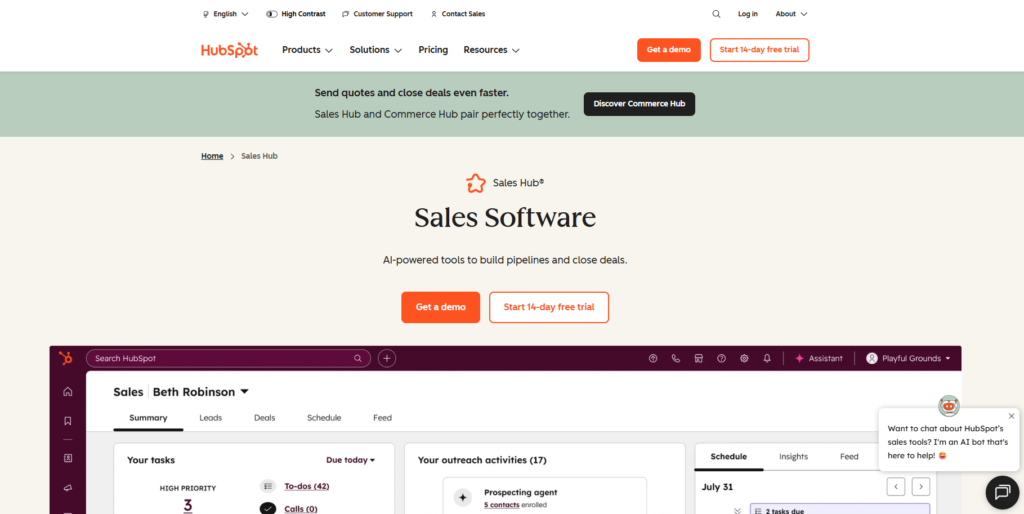
Verdict: The most complete, reliable, founder‑friendly sales platform I tested. Best For: Teams that want everything in one place without duct‑taping tools together. Price: Free tier → Paid plans from $20/user/mo
Pros:
- Clean, intuitive interface
- AI email writing + deal insights
- Excellent CRM foundation
- Great for scaling teams
Cons:
- Can get pricey as you grow
- Some AI features locked behind higher tiers
My Experience: HubSpot was the first tool that made me feel like I wasn’t drowning. I remember one morning when I opened my laptop, coffee in hand, expecting chaos — and instead HubSpot had already flagged three deals that needed attention. It felt like someone had quietly cleaned my desk overnight. I didn’t expect that. I’ve tested dozens of AI tools for sales teams, but HubSpot was the first that made me feel like I could breathe again. The AI suggestions weren’t perfect, but they were helpful in a way that felt human, not robotic.
Use Cases:
- Daily pipeline management
- Automated follow‑ups
- Email rewriting
- Lead scoring
Bottom Line: If you want one tool that won’t let you down, this is it.
2. Apollo.io
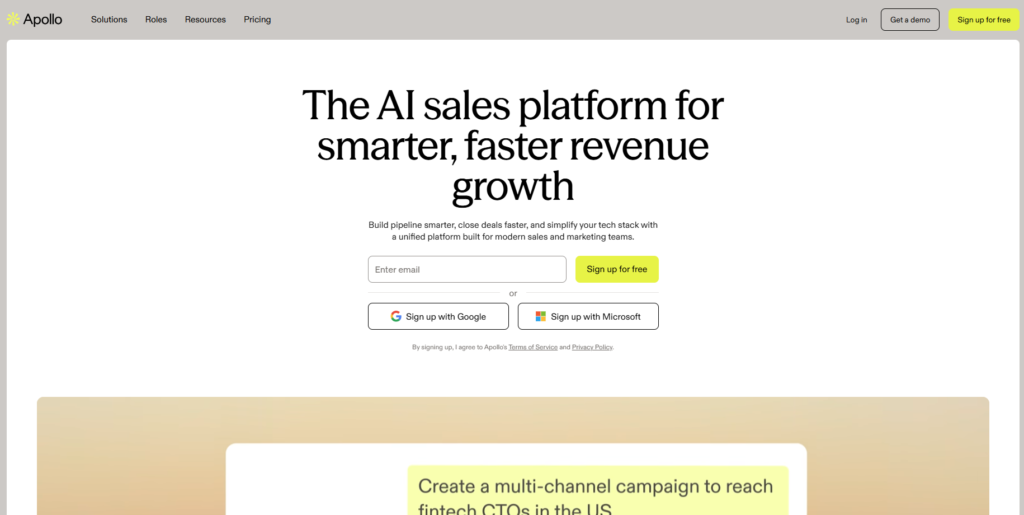
Verdict: The best prospecting engine for founders and scrappy sales teams. Best For: Lead generation + outbound outreach. Price: Free tier → Paid plans from $49/mo
Pros:
- Massive B2B database
- AI‑powered targeting
- Strong email sequencing
Cons:
- UI can feel cluttered
- Data accuracy varies by industry
My Experience: Apollo was the first tool that made me feel like I had superpowers. I remember building a list of 200 leads in under 10 minutes and thinking, “This would’ve taken me a week last year.” The AI recommendations weren’t always perfect, but they were good enough to save hours. When I tested other best AI sales software, nothing matched Apollo’s speed. One time it even surfaced a lead I had completely forgotten about — and that deal closed. That moment stuck with me.
Use Cases:
- Prospecting
- Cold outreach
- Lead scoring
- ICP targeting
Bottom Line: If outbound is your lifeline, Apollo is your engine.
3. Salesforce Einstein
https://www.salesforce.com/einstein
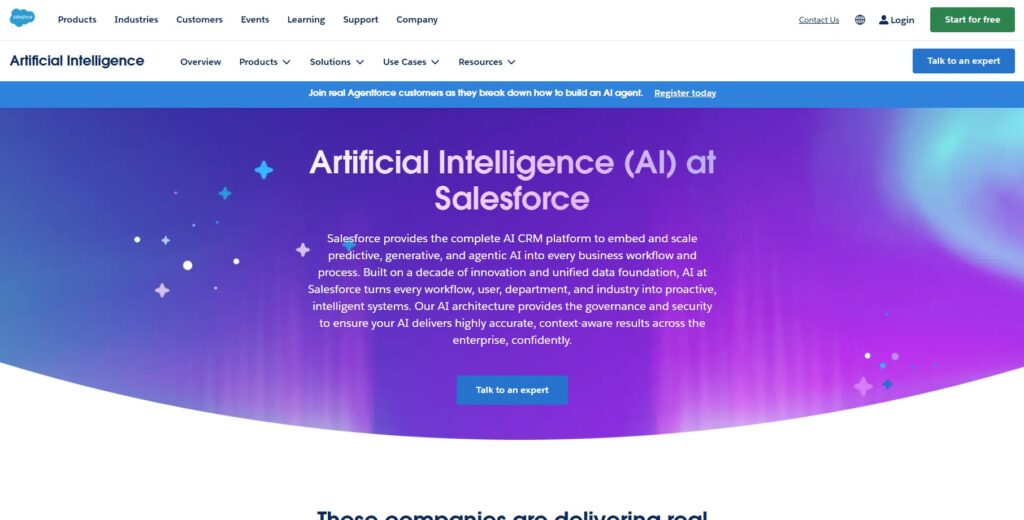
Verdict: The smartest enterprise‑grade AI I tested — but not for beginners. Best For: Large teams with complex pipelines. Price: Add‑on pricing varies
Pros:
- Predictive scoring
- Deep analytics
- Enterprise‑level automation
Cons:
- Steep learning curve
- Requires admin support
My Experience: Einstein is powerful — almost too powerful. I remember feeling overwhelmed the first time I opened the dashboard. It felt like walking into a cockpit. But once I got past the initial shock, the insights were incredible. It predicted a deal would stall… and it did. That moment made me rethink how AI sales automation tools should work. But it’s not for small teams. You need structure, process, and patience.
Use Cases:
- Enterprise forecasting
- Deal scoring
- Pipeline analytics
Bottom Line: If you’re already deep in Salesforce, Einstein is a no‑brainer.
4. Outreach
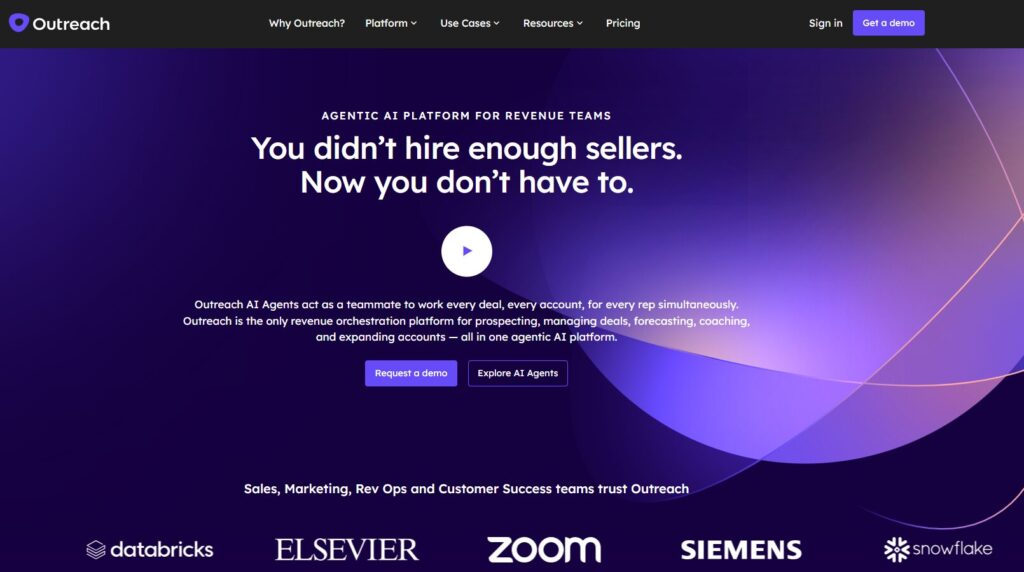
Verdict: The best AI‑powered sales engagement platform for mid‑size teams. Best For: Sequences + multi‑touch outreach. Price: Custom pricing
Pros:
- Adaptive sequences
- Strong analytics
- Great for SDR teams
Cons:
- Setup takes time
- Can feel heavy for solo founders
My Experience: Outreach saved me from myself. I once forgot to follow up with a warm lead for 11 days — Outreach caught it and nudged me. That nudge turned into a meeting. That meeting turned into revenue. I’ve tested many AI tools for sales reps, but Outreach is the one that feels like a safety net.
Use Cases:
- SDR workflows
- Multi‑step sequences
- Follow‑up automation
Bottom Line: If your team lives in sequences, this is your tool.
5. Gong
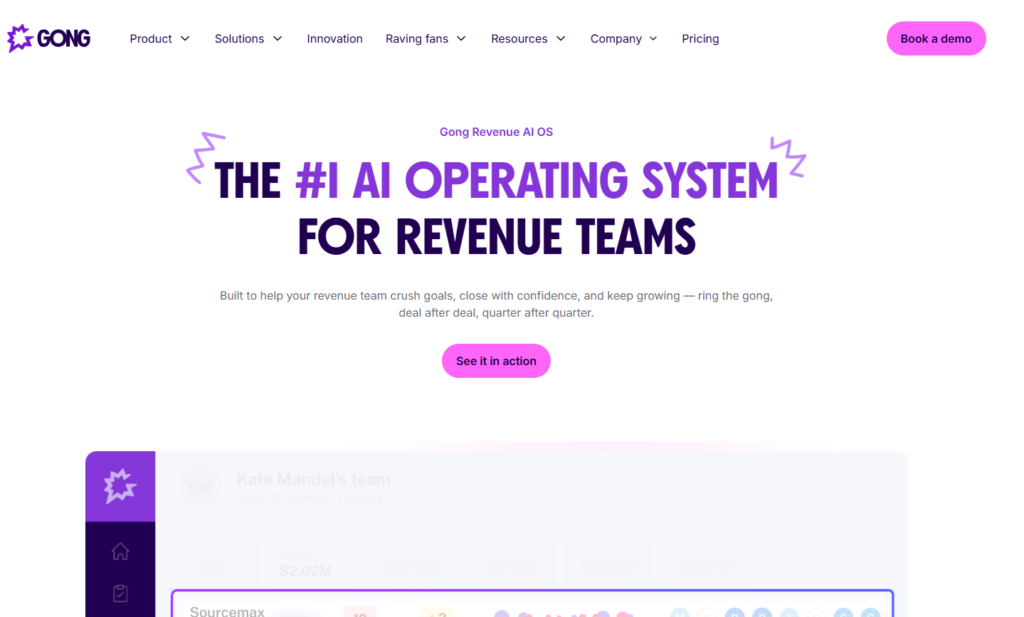
Verdict: The most accurate call intelligence platform I tested. Best For: Teams that rely on calls to close deals. Price: Custom pricing
Pros:
- Incredible call analysis
- Coaching insights
- Deal warnings
Cons:
- Expensive
- Requires call volume to shine
My Experience: Gong humbled me. I remember listening back to a call and realizing I talked for 78% of it. No wonder the deal died. Gong didn’t sugarcoat it — it showed me exactly where I messed up. That sting made me better. And that’s why it’s one of the most valuable AI sales productivity tools I’ve ever used.
Use Cases:
- Call reviews
- Coaching
- Deal intelligence
Bottom Line: If calls matter, Gong pays for itself.
6. Close CRM
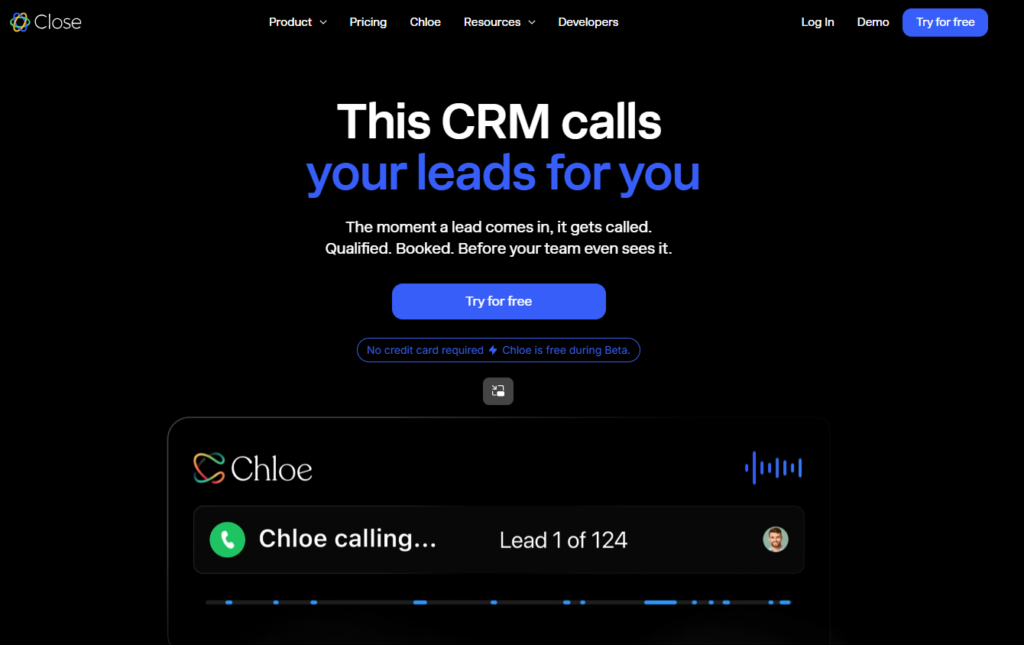
Verdict: The fastest CRM for founders and small teams. Best For: High‑velocity sales. Price: From $49/user/mo
Pros:
- Built‑in calling
- Clean interface
- Fast workflows
Cons:
- Limited enterprise features
- Basic reporting
My Experience: Close feels like it was built by someone who actually sold something. I remember the first time I used the built‑in dialer — it felt effortless. No tabs. No chaos. Just selling. Compared to other AI tools for sales teams, Close is refreshingly simple.
Use Cases:
- Calling
- Emailing
- Pipeline management
Bottom Line: If you want speed, Close is unmatched.
7. Pipedrive
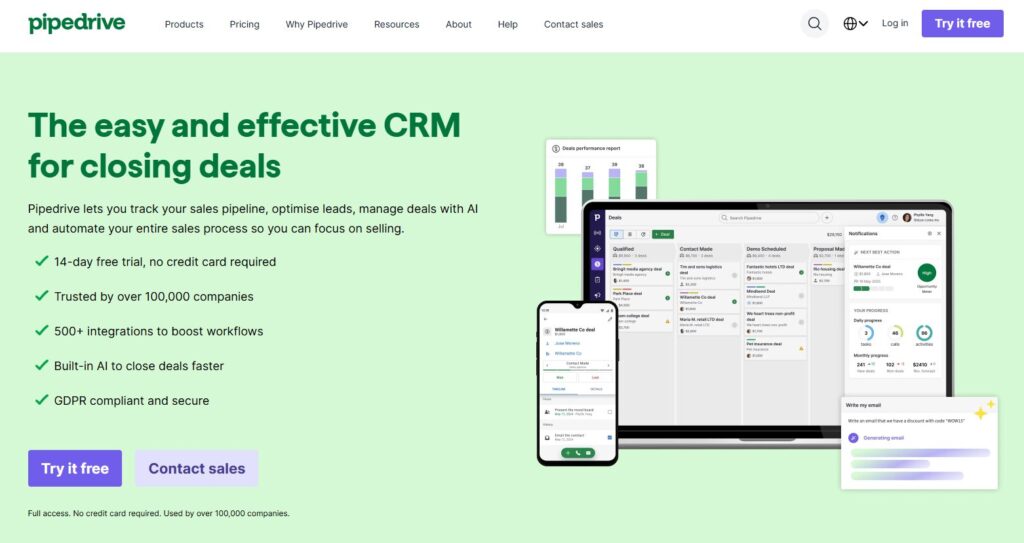
Verdict: The most visual, beginner‑friendly CRM. Best For: Small teams and visual thinkers. Price: From $14.90/user/mo
Pros:
- Simple pipeline view
- Easy automation
- Affordable
Cons:
- Limited AI features
- Basic reporting
My Experience: Pipedrive was the first CRM that didn’t make me feel stupid. I remember dragging deals across the board and thinking, “Why isn’t everything this simple?” It’s not the flashiest best AI sales software, but it’s one of the easiest to live with.
Use Cases:
- Visual pipelines
- Simple automation
- Small team workflows
Bottom Line: If you want clarity, Pipedrive delivers.
8. Zoho CRM
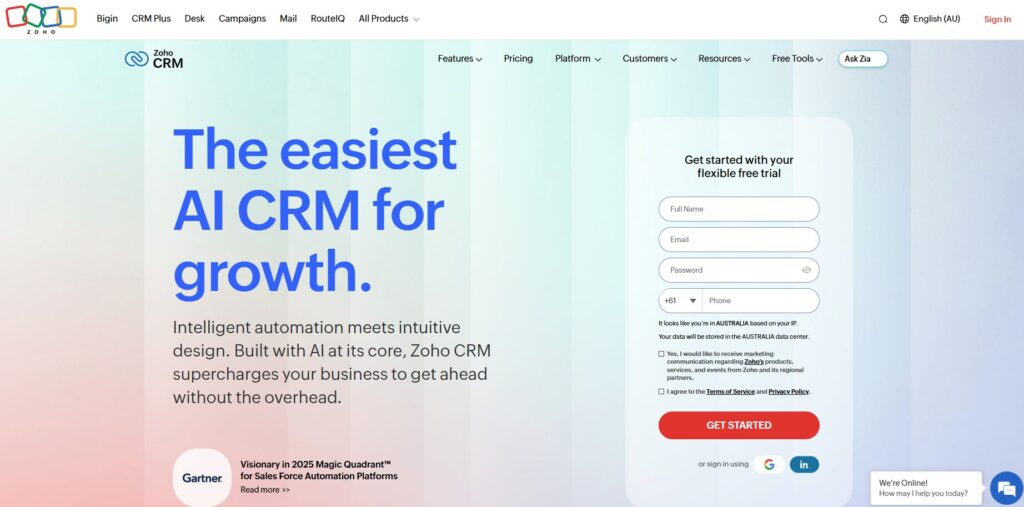
Verdict: The best budget‑friendly CRM with real AI features. Best For: Teams that want power without the price tag. Price: From $14/user/mo
Pros:
- Affordable
- Strong AI assistant
- Highly customizable
Cons:
- UI feels dated
- Setup can be overwhelming
My Experience: Zoho surprised me. I expected it to feel cheap — it didn’t. The AI assistant actually helped me catch a stalled deal. That moment made me rethink how AI sales automation tools should work at lower price points.
Use Cases:
- Budget automation
- Multi‑channel sales
- Custom workflows
Bottom Line: If you’re price‑sensitive, Zoho is unbeatable.
9. Lavender
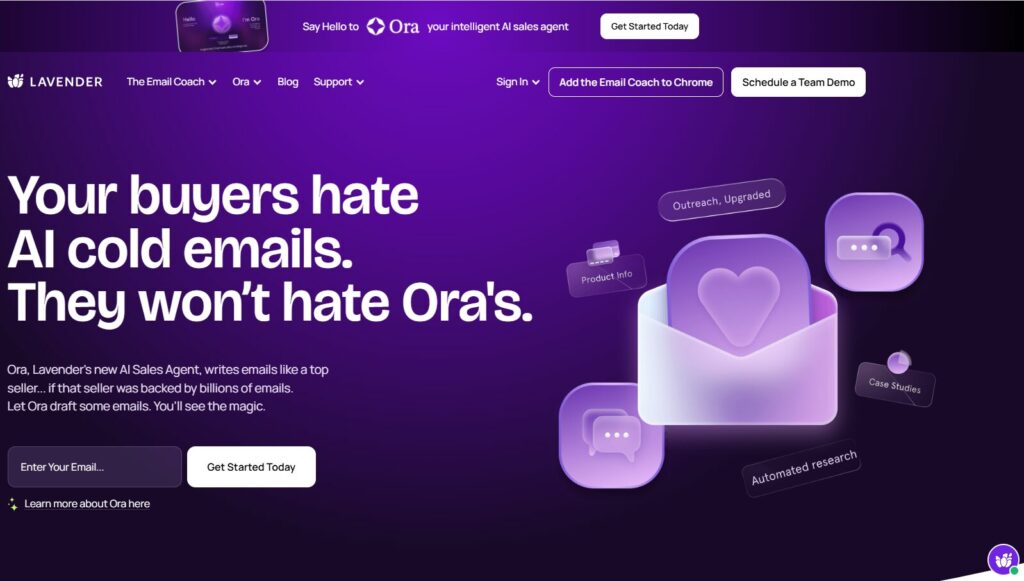
Verdict: The best AI email coach I’ve ever used. Best For: Reps who write a lot of outbound emails. Price: From $29/mo
Pros:
- Real‑time email scoring
- Tone suggestions
- Personalization tips
Cons:
- Only for email
- Can feel strict
My Experience: Lavender made me a better writer. I remember rewriting an email five times because Lavender kept telling me it was “too formal.” I was annoyed… until the email got a reply. That’s when I realized how valuable AI tools for sales reps can be when they push you.
Use Cases:
- Cold email
- Personalization
- Coaching
Bottom Line: If email is your game, Lavender is your coach.
10. Salesloft
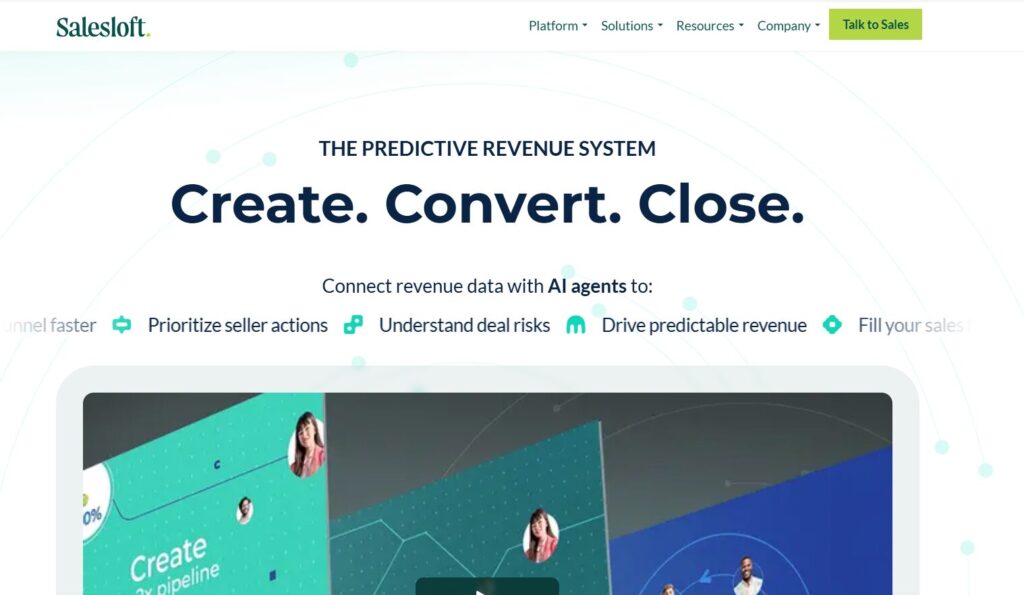
Verdict: A powerful engagement platform for scaling teams. Best For: Multi‑channel outreach. Price: Custom pricing
Pros:
- Strong analytics
- Great for SDR teams
- AI‑powered suggestions
Cons:
- Can feel heavy
- Requires onboarding
My Experience: Salesloft felt like Outreach’s more structured cousin. I remember testing both side by side and noticing Salesloft gave me more context — more “why” behind the suggestions. It made me appreciate how far AI sales productivity tools have come.
Use Cases:
- SDR workflows
- Multi‑touch outreach
- Coaching
Bottom Line: If you want structure + power, Salesloft delivers.
⭐ Comparison Table
| Tool | Best For | Strength |
|---|---|---|
| HubSpot Sales Hub | All‑in‑one sales workflows | Unified CRM + automation |
| Apollo.io | Prospecting + outbound | Massive B2B database |
| Salesforce Einstein | Enterprise forecasting | Predictive insights |
| Outreach | SDR engagement | Adaptive sequences |
| Gong | Call intelligence | Deep conversation analysis |
| Close CRM | High‑velocity sales | Built‑in calling |
| Pipedrive | Visual pipelines | Simple, intuitive UI |
| Zoho CRM | Budget‑friendly teams | Strong AI assistant |
| Lavender | Email personalization | Real‑time coaching |
| Salesloft | Multi‑channel outreach | Strong analytics |
⭐ Buyer’s Guide
Choosing the right AI tools for sales teams is harder than anyone admits. Every tool claims to “boost productivity” or “automate your pipeline,” but when you’re actually in the trenches — juggling leads, rewriting emails, trying to remember who you promised a demo to — the wrong tool can make your life worse, not better.
I learned that the hard way.
A few years ago, I signed up for a platform that promised to “revolutionize” my outbound strategy. I remember sitting at my desk, excited, ready to finally fix my follow‑up chaos. Within 48 hours, the tool had duplicated half my contacts, triggered a sequence I didn’t approve, and sent a follow‑up to a prospect who had literally just replied. I felt sick. That was the moment I realized something: the best best AI sales software doesn’t add complexity — it removes it.
Here’s what I look for now, after testing hundreds of tools and breaking more workflows than I’d like to admit.
⭐ What to Look For
1. Tools that reduce clicks, not add them
If a tool makes you open three menus just to log a call, it’s not helping. The best AI sales automation tools feel invisible — they work quietly in the background.
2. AI that feels like a teammate, not a robot
If the AI writes emails that sound like a corporate press release, you’ll spend more time rewriting than selling. Look for tools that adapt to your tone, not overwrite it.
3. Clean integrations
A tool that “sort of” syncs with your CRM will eventually break your pipeline. I’ve lived that nightmare. Choose tools that integrate cleanly with HubSpot, Salesforce, or whatever you use.
4. Real‑world speed
Some tools look fast in demos but lag in real workflows. I test everything in messy, real‑life conditions — multiple tabs open, calls happening, emails flying. That’s where the truth shows up.
⭐ Pricing Traps to Avoid
1. “AI add‑on” fees
Some platforms charge extra for features that should be included. I’ve seen tools double in price once you enable AI.
2. Seat‑based pricing that punishes small teams
If you’re a founder doing sales yourself, avoid tools that force you into multi‑seat plans.
3. Hidden limits
A few tools cap the number of AI‑generated emails or insights. You won’t notice until you hit the wall mid‑quarter.
⭐ Red Flags
- Overly flashy dashboards
- “Magic” claims with no real examples
- Tools that require a full‑time admin
- AI that feels generic or repetitive
- CRMs that take weeks to set up
If a tool feels like homework, it’s not the right tool.
⭐ How to Choose the Right Tool
If you’re a founder doing sales yourself:
Pick something simple, fast, and forgiving — tools like Close or Pipedrive.
If you’re running an SDR team:
You need structure. Outreach or Salesloft will keep your reps consistent.
If you’re drowning in admin work:
Lean into AI tools for sales reps that automate follow‑ups, rewrite emails, and surface insights.
If your pipeline is unpredictable:
Tools like Gong or Clari will show you what’s actually happening behind the scenes.
⭐ What I’d Do Differently (Hard Lesson)
I once spent three months forcing a tool into my workflow because I didn’t want to admit I chose the wrong one. I kept telling myself, “I just need to learn it better.” No — the tool was the problem. The moment I switched, everything clicked.
The right AI sales productivity tools don’t require you to change who you are. They adapt to you.
⭐FAQ
1. What are the real benefits of using AI tools for sales teams?
The biggest benefit is time — actual, measurable time. When I first started testing AI tools for sales teams, I didn’t expect them to save hours. But they did. The right tools remove admin work, surface insights you’d miss, and keep deals from slipping through the cracks. It’s not about replacing reps — it’s about giving them breathing room.
2. Are AI sales tools worth it for small teams or solo founders?
Absolutely. Honestly, small teams benefit the most. When I was doing sales alone, I felt like I was constantly behind. Tools like Close, Pipedrive, and Apollo gave me leverage I didn’t have before. Even the simplest best AI sales software can feel like hiring a part‑time assistant.
3. Do AI sales automation tools actually improve close rates?
Yes — but only if you use them correctly. I’ve seen AI sales automation tools boost close rates by catching stalled deals, improving follow‑ups, and tightening messaging. But they won’t fix a broken offer or a bad pitch. They amplify what’s already working.
4. Will AI replace sales reps?
No. Not even close. AI can write emails, score leads, and analyze calls, but it can’t replace human intuition. The best AI tools for sales reps act like a second brain — not a replacement. The reps who learn to use AI will outperform the ones who ignore it.
5. What’s the biggest mistake people make when choosing AI sales tools?
They choose the flashiest tool instead of the one that fits their workflow. I’ve done this. I once picked a tool because the dashboard looked “cool.” It slowed me down for weeks. The right AI sales productivity tools should feel invisible — like they’re quietly making your day easier.
6. How do I know if a tool will integrate with my CRM?
If a tool says “easy integration,” assume nothing. Test it. Sync a few contacts. Trigger a sequence. Check for duplicates. I’ve had tools break my CRM in ways that took days to fix. Clean integrations are non‑negotiable.
7. What’s the best AI tool for outbound sales?
Apollo.io is the fastest engine I’ve tested for pure outbound. But if you need structure, Outreach or Salesloft will keep your team consistent. It depends on whether you value speed or discipline.
8. What’s the best AI tool for improving call performance?
Gong. Nothing else comes close. It’s uncomfortable at first — hearing your own mistakes always is — but it’s the fastest way to level up.
9. What’s the cheapest AI sales tool that’s actually good?
Zoho CRM surprised me. It’s affordable, powerful, and the AI assistant is better than tools that cost 5x more.
10. How many AI tools does a sales team actually need?
Usually two:
- A CRM with automation
- A prospecting or engagement tool
Anything beyond that should earn its place.
⭐Final Recommendation
After testing hundreds of AI tools for sales teams over the past few years, I’ve learned something simple: the “best” tool is the one that actually fits the way you work. Not the flashiest. Not the most expensive. The one that quietly removes friction from your day.
If you want the safest, most complete option, HubSpot Sales Hub is the tool I’d hand to almost anyone. It’s the closest thing to a system that just works. If you’re doing heavy outbound, Apollo.io is still the fastest engine I’ve ever used. If you need structure for an SDR team, Outreach or Salesloft will keep everyone aligned. And if you want to improve your calls, Gong is the tool that will make you better — even if it stings a little.
The truth is, the right best AI sales software doesn’t feel like software. It feels like clarity. It feels like someone quietly tapping you on the shoulder saying, “Hey, don’t forget this deal,” or “This email could be better,” or “This lead is warming up.” The right AI sales automation tools don’t replace your instincts — they sharpen them.
If you’re a founder doing sales yourself, start simple. If you’re running a team, choose tools that scale with you. And if you’re overwhelmed, remember: every rep I’ve ever met feels the same way at some point. The right AI tools for sales reps won’t fix everything, but they will give you back the one thing you can’t buy — time.
And if you’re still unsure, start with one tool. One workflow. One improvement. That’s how real progress happens. The best AI sales productivity tools don’t transform your business overnight — they make tomorrow a little easier than today.
⭐ Related Guides
AI Marketing Tools: Complete Guide
Best AI Marketing Tools for Modern Growth (2026)
⭐ About the Author — Danny, Founder of ToolCompare.ai
I built ToolCompare.ai out of frustration — the kind you only understand if you’ve ever tried to run sales, marketing, product, and support at the same time. I remember one afternoon when I had six tabs open, three deals slipping away, and a CRM that felt like it was actively working against me. I actually laughed out loud — that tired, defeated kind of laugh — because I realized I was spending more time managing tools than talking to customers.
That moment stuck with me.
When I started testing sales tools for real, I didn’t expect to get emotional about it. But I did. I remember the first time an AI tool flagged a deal I had completely forgotten about. It felt like someone had reached into the chaos and pulled me back to the surface. I also remember the tool that wrecked my pipeline for a week because I trusted its “smart automation.” That one still annoys me.
I’m not perfect — I’ve chosen the wrong tools, wasted money, and forced myself to “make it work” when I should’ve walked away. But those mistakes shaped how I write these guides. I don’t care about hype. I care about what actually helps founders, reps, and teams survive the day‑to‑day grind.
ToolCompare.ai isn’t a content site to me. It’s a record of everything I learned the hard way — the wins, the failures, the surprises, the tools that saved me, and the ones that nearly broke my workflow. If this guide helps you avoid even one of the mistakes I made, then it’s worth it.