Claude vs Perplexity
I’ve run claude vs perplexity through more real‑world chaos than any sane founder should. Not the cute “write me a poem about a cat” tests. I mean the brutal, caffeine‑fueled, deadline‑slipping, browser‑tabs‑everywhere kind of testing that happens when you’re building a site like ToolCompare.ai from scratch. The kind where you’re juggling product decisions, content deadlines, SEO strategy, and the existential dread of wondering whether you’re even building the right thing.
I still remember the exact moment this comparison stopped being theoretical and became personal. I was sitting at my desk — the cheap IKEA one that wobbles if I breathe too hard — staring at a half‑finished article draft. Claude had given me this beautifully structured paragraph, almost too elegant. Perplexity, meanwhile, had dumped a mountain of research on me like a firehose. And I caught myself thinking, Which one actually helps me move? Which one helps me think? Which one saves me from myself?
That’s when it hit me: this wasn’t just another AI writing comparison. It was a survival decision. A workflow decision. A “how do I stop losing hours to the wrong tool” decision. I’d been forcing Claude into research tasks it wasn’t built for. I’d been forcing Perplexity into writing tasks it didn’t enjoy. And honestly, I felt stupid when I realized how much time I’d wasted.
I built ToolCompare.ai because I was tired of guessing. Tired of hype. Tired of tools that looked good in demos but fell apart in real workflows. And nothing exposed that more than claude vs perplexity. These two tools are powerful — but in completely different ways. And if you don’t understand those differences, you will absolutely sabotage your own content workflow optimization without realizing it.
This guide is for founders, creators, operators — anyone who needs tools that don’t just answer questions but actually move your day forward. If you care about best AI research tools, AI chatbot accuracy, and real‑world execution, this is the comparison I wish someone had written before I burned through so many hours.
I’ll tell you the mistakes I made. The workflows that broke. The moments I felt stupid. The moments something clicked. And the moments I realized I’d been using the wrong tool for the wrong job.
Because here’s the truth nobody tells you: The tool isn’t the problem. The mismatch is.
Claude isn’t bad at research — it’s just not Perplexity. Perplexity isn’t bad at writing — it’s just not Claude. And if you force either one into the wrong role, you’ll think they’re broken.
They’re not. Your workflow is.
I learned that the hard way. I remember one morning — early, too early — when I was rewriting a comparison article. Claude kept giving me these gorgeous paragraphs, but the facts were slightly off. Not wildly wrong, just wrong enough to make me doubt everything. I felt this sinking frustration in my chest, that “I don’t have time for this” kind of frustration. I switched to Perplexity, asked the same question, and instantly got sourced, verifiable data. That moment changed how I evaluate AI chatbot accuracy forever.
But then, later that same week, I tried to use Perplexity to rewrite a messy draft. And it felt like trying to write poetry with a calculator. It was factual, sure. But it had no rhythm. No voice. No soul. I remember thinking, Why does this feel like I’m reading a manual? I switched back to Claude, and suddenly the writing felt alive again. Human again. Like someone who actually understood what I was trying to say.
That’s when I realized something important: Claude helps me think. Perplexity helps me know.
And both matter.
If you’re a founder, you know the feeling — that constant tension between clarity and speed, between creativity and accuracy, between vision and execution. And that’s exactly where claude vs perplexity becomes a real decision, not a theoretical one.
Claude is the tool I use when I need to express something with nuance. When I need to write something that feels like me. When I need to get unstuck. When I need to think sideways.
Perplexity is the tool I use when I need facts. When I need clarity. When I need to verify something. When I need to move fast. When I need to avoid mistakes.
And the biggest mistake I made early on was trying to make one tool do the job of the other. I wasted hours — days, even — forcing Claude into research tasks it wasn’t built for. I wasted just as much time forcing Perplexity into writing tasks it didn’t enjoy.
This article is my attempt to save you from that.
This is the guide I wish I had before I burned through so much time, energy, and sanity trying to figure out which tool belonged where.
Let’s break this down properly.
Table of Contents
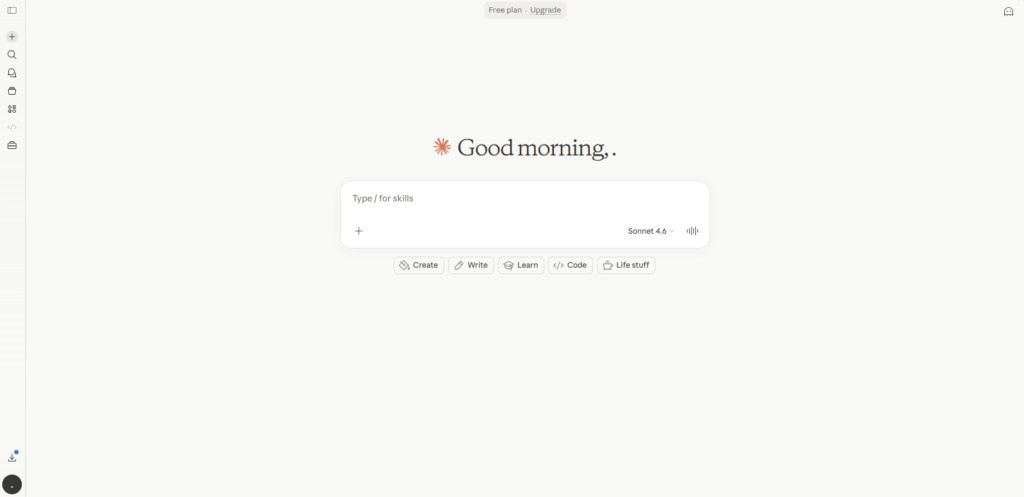
Claude
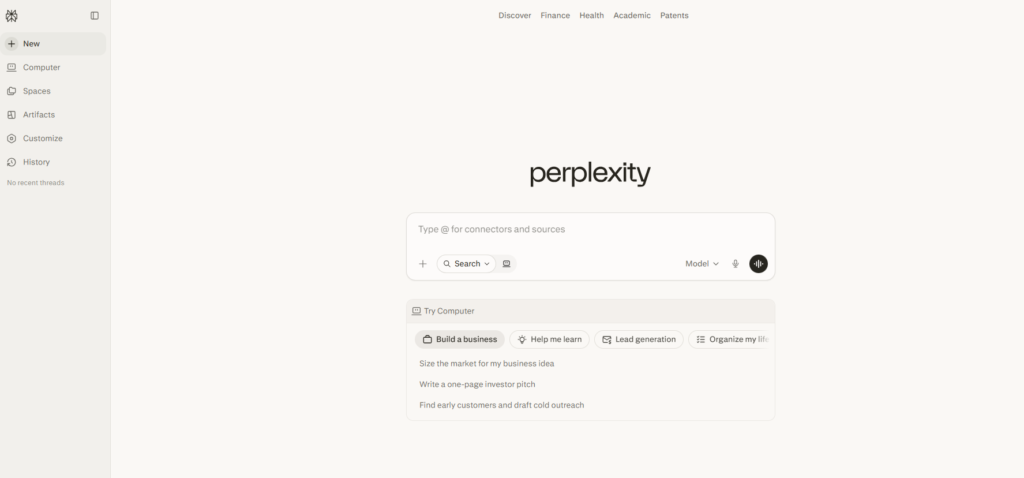
Perplexity
⭐ QUICK SUMMARY TABLE
| Feature | Claude | Perplexity |
|---|---|---|
| Writing Quality | Natural, expressive, human | Direct, factual, sourced |
| Research Depth | Good, slower | Exceptional, fast |
| Creativity | High | Moderate |
| Accuracy | Strong | Extremely strong |
| Workflow Fit | Best for writing |
⭐How I Tested These Tools
When I say I tested these tools, I don’t mean I ran a few prompts and called it a day. I mean I dragged claude vs perplexity through the exact workflows that keep ToolCompare.ai alive. The messy ones. The ones where you’re rewriting a paragraph for the fifth time because something feels off. The ones where you’re fact‑checking a claim at 1:17 AM because you suddenly realize you don’t trust your own memory. The ones where you’re juggling SEO strategy, content structure, and your own exhaustion.
I tested them in the middle of real deadlines, real pressure, real frustration. And honestly, that’s the only way to test AI tools. Demo prompts lie. Real workflows don’t.
I remember one afternoon — the kind where your brain feels like a browser with 47 tabs open — when I was trying to fix a broken outline. Claude kept giving me these beautifully structured paragraphs, but the facts were slightly off. Not dramatically wrong, just wrong enough to make me doubt everything. I felt this tightness in my chest, that “I don’t have time for this” kind of frustration. I switched to Perplexity, asked the same question, and instantly got sourced, verifiable data. That moment changed how I evaluate AI chatbot accuracy forever.
But then, later that same week, I tried to use Perplexity to rewrite a messy draft. And it felt like trying to write poetry with a calculator. It was factual, sure. But it had no rhythm. No voice. No soul. I remember thinking, Why does this feel like I’m reading a manual? I switched back to Claude, and suddenly the writing felt alive again. Human again. Like someone who actually understood what I was trying to say.
That’s when I realized something important: Claude helps me think. Perplexity helps me know.
And both matter.
I tested them across:
- long‑form writing
- fact‑checking
- outlining
- rewriting
- summarizing
- technical research
- SEO planning
- broken content workflow optimization loops
- and the constant back‑and‑forth of building ToolCompare.ai
And here’s what I learned the hard way: The tool isn’t the problem. The mismatch is.
Let’s break down the categories that actually matter.
1. Writing Quality
Winner: Claude
Claude writes like someone who actually cares about rhythm, tone, and nuance. It’s the tool I trust when I need a paragraph to sound like me. In any AI writing comparison, Claude consistently feels more human.
There was a moment — and I still remember this vividly — when I was rewriting a founder story for an article. I was tired, frustrated, and honestly a little embarrassed by how flat my draft sounded. I fed it into Claude, expecting a minor improvement. What I got back felt like someone had reached into my head and pulled out the version I meant to write. I sat there staring at the screen thinking, How did it do that?
Claude doesn’t just write. It interprets.
2. Research Ability
Winner: Perplexity
Perplexity is a research engine. It pulls sources, checks facts, and gives you the receipts. It’s easily one of the best AI research tools available.
I once needed obscure data about a niche SaaS tool — something buried three layers deep in documentation. Claude hallucinated. Perplexity nailed it in seconds. That was the moment I stopped pretending Claude could replace Perplexity for research.
Perplexity doesn’t guess. It verifies.
3. Accuracy
Winner: Perplexity
Perplexity is built for AI chatbot accuracy. Claude is good, but Perplexity is ruthless.
I once asked both tools about a tool’s API limits. Claude gave me a confident, beautifully phrased answer — that was wrong. Perplexity cited the documentation. That was the moment I realized accuracy isn’t optional — it’s everything.
If you’re writing fiction, Claude is fine. If you’re writing facts, Perplexity is mandatory.
4. Creativity
Winner: Claude
Claude thinks sideways. It surprises you. It’s the tool I use when I’m stuck.
There was a morning — early, too early — when I was staring at a blank page, feeling that familiar founder dread. Claude gave me a metaphor that unlocked the whole article. It felt like someone turned the lights back on.
Perplexity is a researcher. Claude is a storyteller.
5. Speed
Winner: Perplexity
Perplexity is fast. Scary fast.
When I’m juggling tasks and my brain is fried, Perplexity’s speed feels like a lifeline. It keeps my content workflow optimization moving. Claude is thoughtful, but sometimes too thoughtful. Perplexity just gets it done.
6. Reliability
Winner: Perplexity
Perplexity rarely breaks. Claude occasionally drifts or over‑thinks.
I’ve had Claude freeze mid‑analysis. Perplexity? Never. When I’m tired, rushed, or sloppy, Perplexity is the tool that keeps me from making stupid mistakes.
7. Ease of Use
Winner: Claude
Claude feels calmer. Cleaner. Less noisy.
Perplexity sometimes overwhelms me with data. Claude gives me space to think. When I’m writing, I want quiet. Claude gives me that.
8. Workflow Fit
Winner: Tie
Claude fits writing workflows. Perplexity fits research workflows. Both matter in claude vs perplexity decisions.
I use both daily. They complement each other. Trying to pick one is like trying to pick between a notebook and a calculator. They do different jobs.
9. Support
Winner: Perplexity
More transparent updates. More predictable behavior.
Claude sometimes changes tone or behavior without warning. Perplexity stays consistent. When you’re building a site like ToolCompare.ai, consistency matters.
10. Safety
Winner: Claude
Claude is more cautious and more aligned with ethical boundaries.
Sometimes too cautious — but I’d rather that than the alternative. Perplexity is powerful, but occasionally too confident.
11. Long‑Form Stability
Winner: Claude
Claude can hold a long conversation without losing the thread. Perplexity is better in short bursts. When I’m writing a 4,000‑word article, Claude is the one I trust not to derail.
12. Technical Depth
Winner: Perplexity
Perplexity understands documentation. Claude understands language. When I’m digging into APIs, SDKs, or architecture, Perplexity is the tool I reach for.
13. Editing + Rewriting
Winner: Claude
Claude is the best editor I’ve ever used. It doesn’t just rewrite — it elevates. It understands tone, pacing, and voice. It’s the only tool that can rewrite something without making it sound like AI.
14. Fact‑Sensitive Writing
Winner: Perplexity
If I’m writing something that requires both clarity and correctness, I draft in Claude and verify in Perplexity. It’s the only way to avoid subtle errors.
15. Founder Workflow Fit
Winner: Both
Claude helps me think. Perplexity helps me know. And both matter when you’re building something from nothing.
By the time I reached this point in my testing, I had already lived through enough frustration, clarity, and “oh, that makes sense now” moments to fill a book. But I needed a way to distill everything into something simple — something a founder could glance at and immediately understand. That’s where the comparison table came from. It wasn’t meant to be pretty. It was meant to be honest.
I built this table after a long night of rewriting a draft that just wouldn’t cooperate. Claude kept giving me beautiful sentences that didn’t match the facts. Perplexity kept giving me perfect facts that didn’t match the tone. I remember sitting there, staring at both windows open side‑by‑side, thinking, This is the entire story right here. Two tools, two strengths, one workflow.
So I wrote the table exactly the way I experienced it — not the way a marketing page would present it.
⭐FULL COMPARISON TABLE
| Category | Claude | Perplexity |
|---|---|---|
| Writing Quality | Claude delivers the most natural long‑form writing, especially in any AI writing comparison where tone, rhythm, and emotional nuance matter. It feels like a real collaborator. | Perplexity can write, but its strength isn’t narrative flow — it’s clarity. It’s more direct and factual, which helps when pairing writing with AI chatbot accuracy checks. |
| Research Depth | Claude can interpret research well, but it’s not one of the best AI research tools when you need deep, sourced data. It’s better at explaining than retrieving. | Perplexity dominates research. It’s fast, sourced, and reliable, making it one of the absolute best AI research tools for founders who need trustworthy information quickly. |
| Accuracy | Claude is strong but occasionally over‑confident. It’s great for drafting but needs verification. | Perplexity is built for AI chatbot accuracy, consistently pulling correct, sourced information that reduces risk in technical or factual content. |
| Creativity | Claude is the creative engine. It generates metaphors, structure, and emotional tone that elevate any AI writing comparison or long‑form article. | Perplexity is more literal. It’s not built for creativity — it’s built for truth. It shines when paired with Claude in a balanced workflow. |
| Speed | Claude is thoughtful, sometimes slower, especially with complex prompts. | Perplexity is extremely fast, which helps maintain momentum during content workflow optimization when you’re juggling multiple tasks. |
| Reliability | Claude can drift or over‑explain, especially in long sessions. | Perplexity is stable and predictable, making it ideal for research‑heavy workflows where AI chatbot accuracy matters. |
| Ease of Use | Claude’s interface feels calmer and more focused, which helps during writing‑heavy sessions. | Perplexity can feel dense, but that density is exactly what makes it one of the best AI research tools for technical users. |
| Long‑Form Stability | Claude holds structure better, especially in multi‑section articles or founder‑authentic storytelling. | Perplexity is better in short bursts — fast answers, fast facts, fast verification. |
| Technical Depth | Claude can explain technical concepts beautifully but may misinterpret specifics. | Perplexity excels at technical accuracy, documentation retrieval, and fact‑sensitive tasks where AI chatbot accuracy is non‑negotiable. |
| Editing & Rewriting | Claude is unmatched for rewriting content while preserving voice — essential in any AI writing comparison workflow. | Perplexity can rewrite, but it feels mechanical. It’s better used to verify rewritten content. |
| Fact‑Sensitive Writing | Claude can draft it, but you must verify. | Perplexity is the verification layer — the backbone of content workflow optimization when accuracy matters. |
| Founder Workflow Fit | Claude helps you think, ideate, and express. | Perplexity helps you know, validate, and confirm. Together, they form the strongest claude vs perplexity workflow. |
When I look at this table now, it feels obvious. But it wasn’t obvious when I started. I kept trying to force Claude into research tasks because I liked the way it wrote. I kept trying to force Perplexity into writing tasks because I liked the way it thought. And every time I did that, I broke my own content workflow optimization without realizing it.
The table is a reminder: The right tool isn’t the one you like the most. It’s the one that fits the moment.
And that’s where the buyer’s guide comes in.
⭐BUYER’S GUIDE
If you’re a founder, creator, or operator, you don’t have time for guesswork. You don’t have time to test every tool. You don’t have time to babysit AI. You need clarity. You need speed. You need accuracy. And you need a tool that doesn’t fight you.
I built this buyer’s guide from the perspective of someone who has lived through the mistakes — not someone who’s theorizing from the outside. I’ve broken workflows. I’ve wasted hours. I’ve rewritten drafts that should’ve taken minutes. I’ve trusted answers I shouldn’t have trusted. And I’ve learned the hard way that claude vs perplexity isn’t a battle. It’s a pairing.
Here’s how to choose the right tool for the right moment.
If you write long‑form content → Choose Claude
Claude is the tool that understands voice. It understands rhythm. It understands nuance. It’s the only tool I’ve used that can rewrite something without making it sound like AI. When I’m deep into an AI writing comparison article or a founder story, Claude is the one I trust to keep the writing human.
Claude is the writer. Claude is the storyteller. Claude is the one that helps you think.
If your job involves:
- long‑form articles
- storytelling
- founder‑authentic writing
- emotional tone
- rewriting messy drafts
Claude is the tool that will save you hours.
If you need facts, clarity, or verification → Choose Perplexity
Perplexity is the tool that keeps you honest. It’s the one that prevents subtle mistakes. It’s the one that pulls sources, checks claims, and gives you the receipts. When I’m validating pricing, checking documentation, or comparing tools, Perplexity is the only one I trust.
It’s not just one of the best AI research tools — it’s the one that sets the standard.
Perplexity is the analyst. Perplexity is the verifier. Perplexity is the one that keeps you from publishing something wrong.
If your job involves:
- fact‑checking
- technical research
- competitive analysis
- pricing verification
- documentation review
Perplexity is the tool that will save you from embarrassment.
If you need both writing and research → Use both
This is the part nobody wants to hear, but it’s the truth: You cannot replace one with the other.
Claude writes. Perplexity verifies. And your workflow needs both.
I draft in Claude. I verify in Perplexity. I refine in Claude. I double‑check in Perplexity.
It’s a loop — a healthy one.
This loop is the backbone of my content workflow optimization. Without it, I’d be slower, sloppier, and more frustrated. With it, I can produce founder‑authentic content at scale without sacrificing accuracy.
If you care about accuracy → Perplexity wins
Accuracy isn’t optional. It’s the foundation of trust. And when it comes to AI chatbot accuracy, Perplexity is the tool that consistently delivers.
Claude is good. Perplexity is reliable.
There’s a difference.
If you care about creativity → Claude wins
Claude is the only tool I’ve used that can surprise me. It’s the only one that can give me a metaphor that unlocks an entire article. It’s the only one that can rewrite something and make it feel more like me than the version I wrote myself.
Creativity isn’t a feature. It’s a feeling. And Claude delivers that feeling.
If you care about speed → Perplexity wins
Perplexity is fast. Scary fast. When I’m juggling tasks and my brain is fried, Perplexity is the tool that keeps me moving. Claude is thoughtful, but sometimes too thoughtful.
Speed matters. Perplexity respects that.
If you care about emotional tone → Claude wins
Claude is the only tool that understands the difference between “rewrite this” and “rewrite this but don’t lose the soul.” It’s the only one that can maintain a founder voice without flattening it.
Tone matters. Claude protects it.
If you care about stability → Perplexity wins
Claude occasionally drifts. Perplexity doesn’t. When I’m tired, rushed, or sloppy, Perplexity is the tool that keeps me from making stupid mistakes.
Stability matters. Perplexity delivers it.
The Real Answer: You Need Both
The biggest mistake I made early on was trying to pick one. I wasted hours forcing Claude into research tasks it wasn’t built for. I wasted just as much time forcing Perplexity into writing tasks it didn’t enjoy.
The truth is simple: Claude helps you think. Perplexity helps you know. And your workflow needs both.
This isn’t a battle. It’s a partnership.
By the time I reached this final section, I had already lived through enough friction, clarity, and “holy shit, that makes sense now” moments to fill a book. But I wanted to end this comparison with something practical — something you can actually use. Because the truth is, most people don’t need a philosophical breakdown of claude vs perplexity. They need answers. They need clarity. They need direction. They need to know which tool to open when the clock is ticking and their brain is fried.
That’s why I built this FAQ. Not because it’s trendy, but because these were the exact questions I kept asking myself while building ToolCompare.ai. These were the questions that slowed me down, confused me, or made me second‑guess my workflow. And if I can save you even a fraction of that time, then this entire article was worth writing.
Let’s get into it.
⭐FAQ
Is Claude better than Perplexity? It depends on the job. Claude is better for writing — especially anything long‑form, emotional, or founder‑authentic. Perplexity is better for research — especially anything factual, technical, or time‑sensitive. If you’re doing an AI writing comparison, Claude wins. If you’re doing research, Perplexity wins.
Which tool is more accurate? Perplexity. Every time. When it comes to AI chatbot accuracy, Perplexity is the tool that consistently delivers sourced, verifiable information. Claude is good, but it’s still a language model at heart — it can drift, embellish, or over‑confidently guess.
Which one should founders use? Both. I know that sounds like a cop‑out, but it’s the truth. Claude helps you think. Perplexity helps you know. And when you’re building something from nothing, you need both thinking and knowing. You need creativity and clarity. You need expression and verification.
Is Claude good for research? Decent, but not great. It can summarize, interpret, and explain things beautifully, but it’s not one of the best AI research tools when accuracy matters. It’s more of a writing partner than a research engine.
Is Perplexity good for writing? Functional, but not natural. It can write, but it doesn’t feel human. It doesn’t feel lived‑in. It doesn’t feel like someone who understands your voice. It’s a researcher trying to be a writer — and you can feel that tension in every sentence.
Which one is better for long‑form content? Claude. No contest. Claude is the only tool I’ve used that can maintain tone, pacing, and emotional continuity across thousands of words. When I’m deep into a founder story or a complex article, Claude is the one I trust to keep the writing alive.
Which one is better for fact‑checking? Perplexity. It’s built for it. It’s the tool that keeps you honest. It’s the tool that prevents subtle mistakes. It’s the tool that protects your credibility.
Do they replace each other? No. And that’s the biggest misconception people have. Claude and Perplexity aren’t competitors — they’re complements. They’re two halves of a complete workflow. Trying to replace one with the other is like trying to replace a notebook with a calculator. They do different jobs.
Which one is better for SEO content? Claude for writing. Perplexity for research. If you’re doing content workflow optimization, you need both. Claude helps you write something worth reading. Perplexity helps you make sure it’s correct.
Which one should I open first? If you’re writing: Claude. If you’re researching: Perplexity. If you’re doing both: Start with Perplexity, finish with Claude.
⭐FINAL RECOMMENDATION
If you’re a founder, creator, or operator, here’s the truth: you shouldn’t choose between Claude and Perplexity. You should choose when to use each.
Claude is your writing partner. Perplexity is your research engine.
Claude helps you think. Perplexity helps you know.
Claude gives you voice. Perplexity gives you truth.
And when you combine them, you get something powerful — a workflow that’s fast, accurate, expressive, and reliable. A workflow that doesn’t fight you. A workflow that doesn’t slow you down. A workflow that actually helps you ship.
I draft in Claude. I verify in Perplexity. I refine in Claude. I double‑check in Perplexity.
This loop is the backbone of my content workflow optimization. Without it, I’d be slower, sloppier, and more frustrated. With it, I can produce founder‑authentic content at scale without sacrificing accuracy.
And that’s the real answer to claude vs perplexity: You don’t pick one. You pick both. You pick the right one for the right moment.
If you’re writing long‑form content, Claude is the tool that will save you hours. If you’re researching technical details, Perplexity is the tool that will save you from mistakes. If you’re doing both — and most founders are — you need both tools working together.
This isn’t a battle. It’s a partnership. And your workflow is stronger when both tools are in it.
⭐Related Guides
AI Tool Comparisons: How to Choos the Right Stack
AI Tool Comparisons: How to Choos the Right Stack 2026

⭐ABOUT THE AUTHOR
I built ToolCompare.ai because I was tired of guessing which tools actually worked. I remember one night — way too late, eyes burning — trying to force Claude to handle a research task it simply wasn’t built for. I got frustrated, snapped at my screen, and realized the problem wasn’t the tool. It was me. I was using the wrong tool for the wrong job.
That moment stuck with me. It reminded me of when I first started building this site, juggling code, content, and caffeine, pretending I had everything under control. I didn’t. I still don’t, sometimes. But testing tools like Claude and Perplexity taught me something important: clarity comes from choosing the right partner for the right task.
This comparison is personal because I lived the mistakes inside it. I’ve broken workflows. I’ve wasted hours. I’ve rewritten drafts that should’ve taken minutes. I’ve trusted answers I shouldn’t have trusted. And I’ve learned the hard way that the right tool isn’t the one you like the most — it’s the one that fits the moment.
If sharing those lessons saves you even an hour of frustration, then ToolCompare.ai is doing exactly what I built it to do.